About me
Hi, I’m Lamiya Shereef, a digital marketing professional based in Dubai. I help brands grow with smart online strategies. I use data to craft campaigns that reach the right people, at the right time, on the right platforms.
I keep things practical and collaborative. From planning to execution, I turn goals into simple steps and clear results. I’m always learning the latest tools and trends to keep your brand ahead. Ready to boost your growth? Let’s talk about how I can help your business succeed online.
My Services

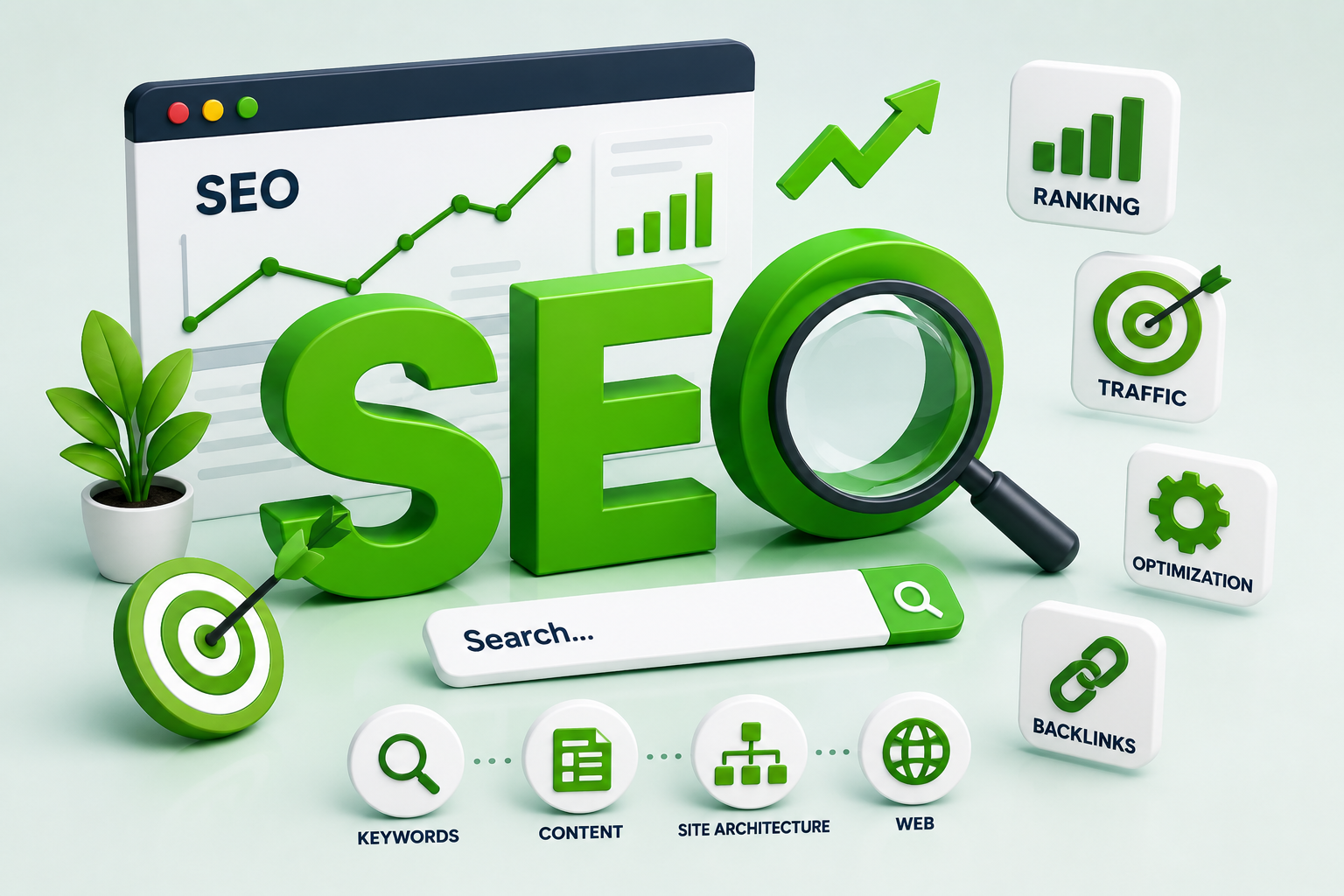
SEO
Process of improving a website to rank higher in organic search results on Google and other search engines. It includes keyword research, backlinks, and technical optimizations.
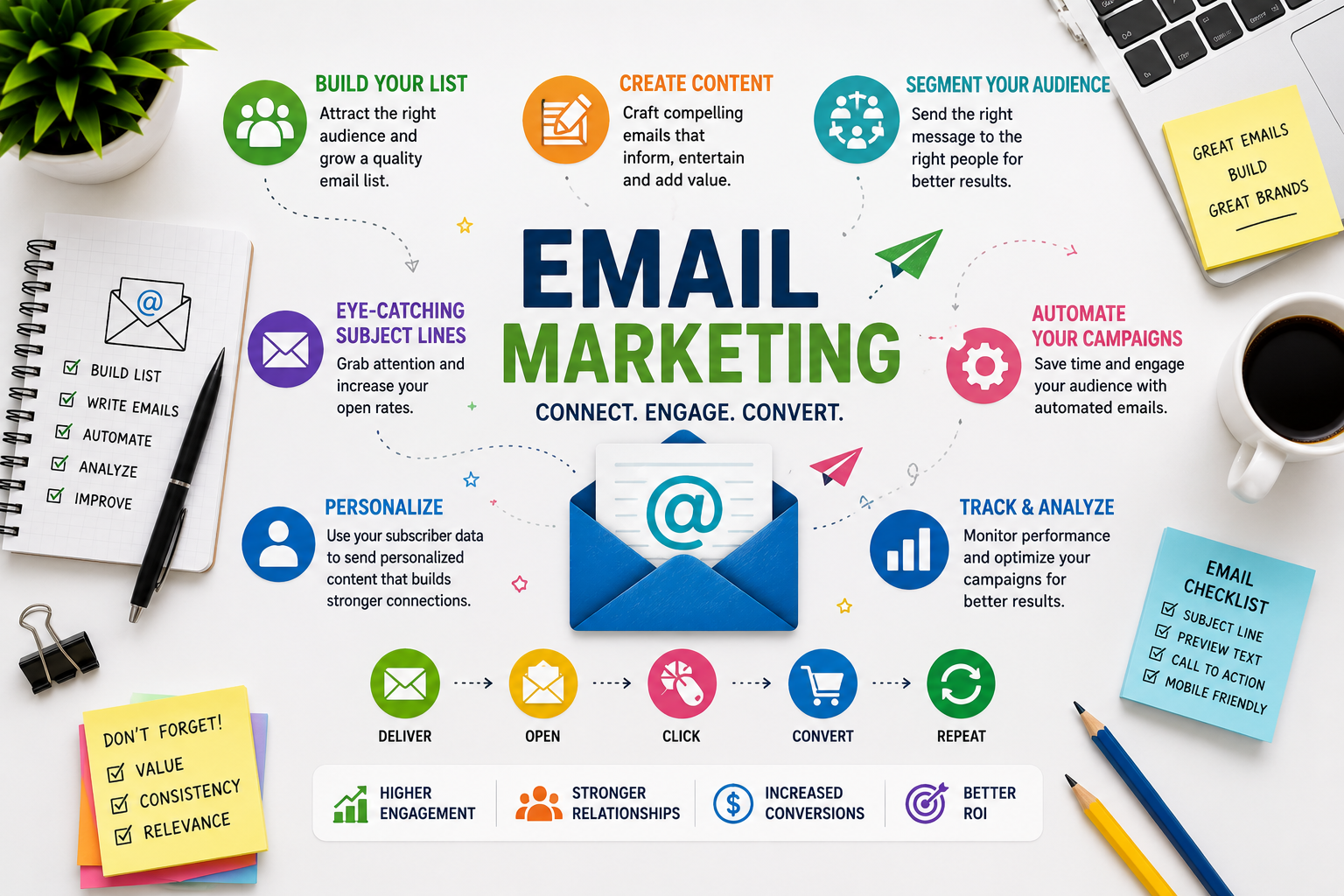
Email Marketing
Sending targeted emails (newsletters, promotions, updates) to leads and customers. Personalised messages help increase engagement and sales.
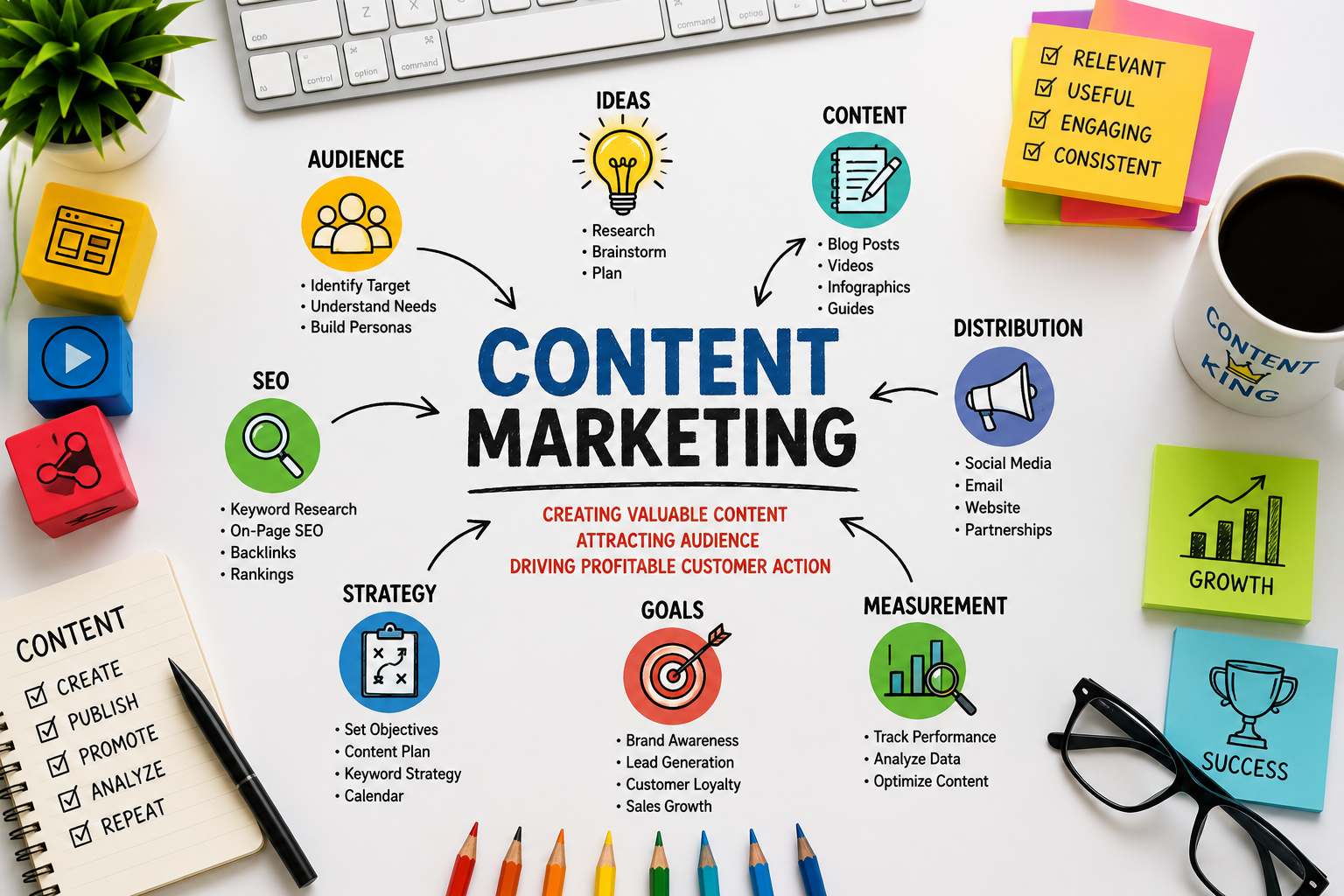
Content Marketing
Creating valuable content such as blogs, videos, and infographics to attract and retain a target audience. Helps build trust and drive conversions.
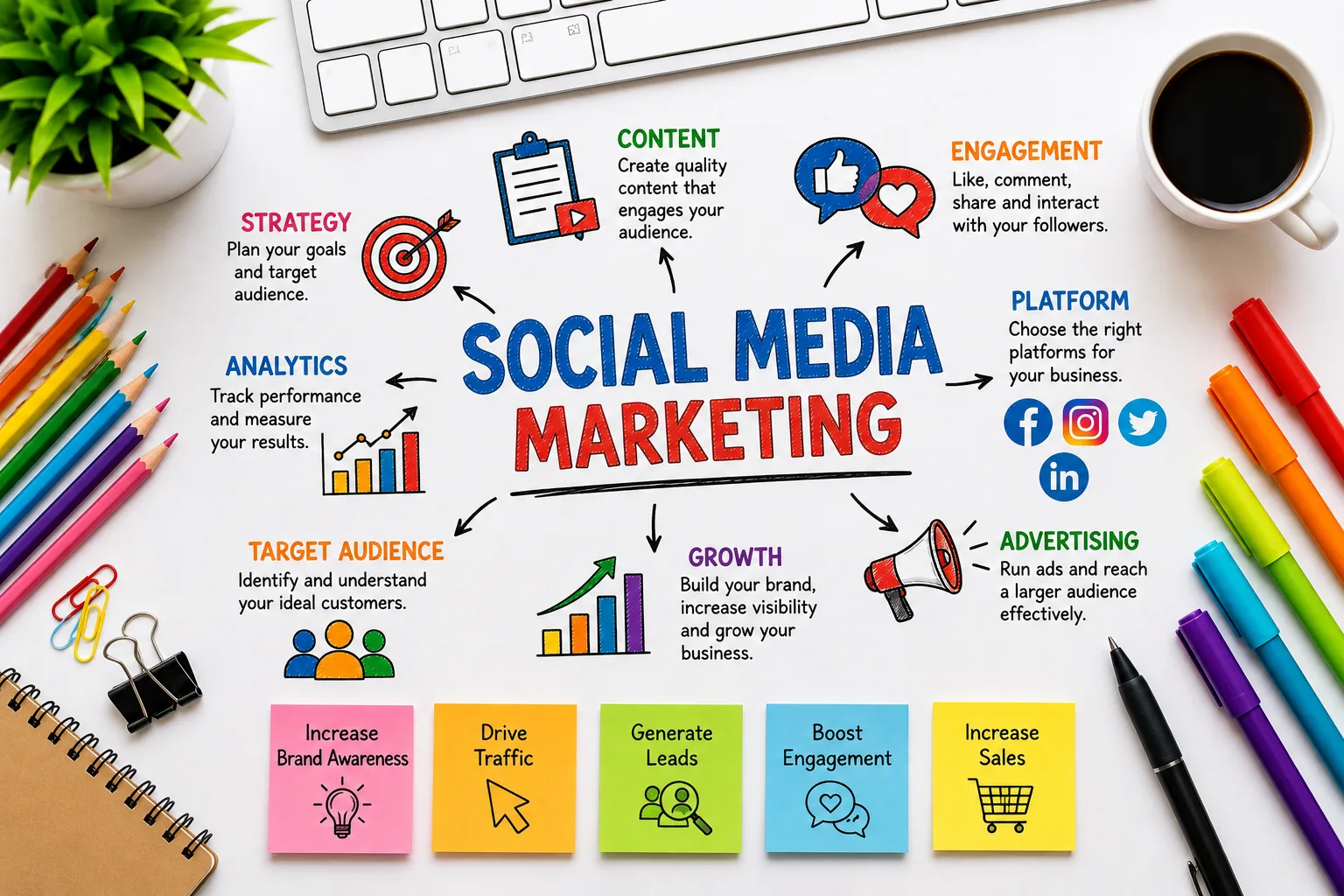
SMM
Promoting a brand and engaging with customers on platforms like Facebook, Instagram, and LinkedIn. Includes both organic posts and paid social ads.
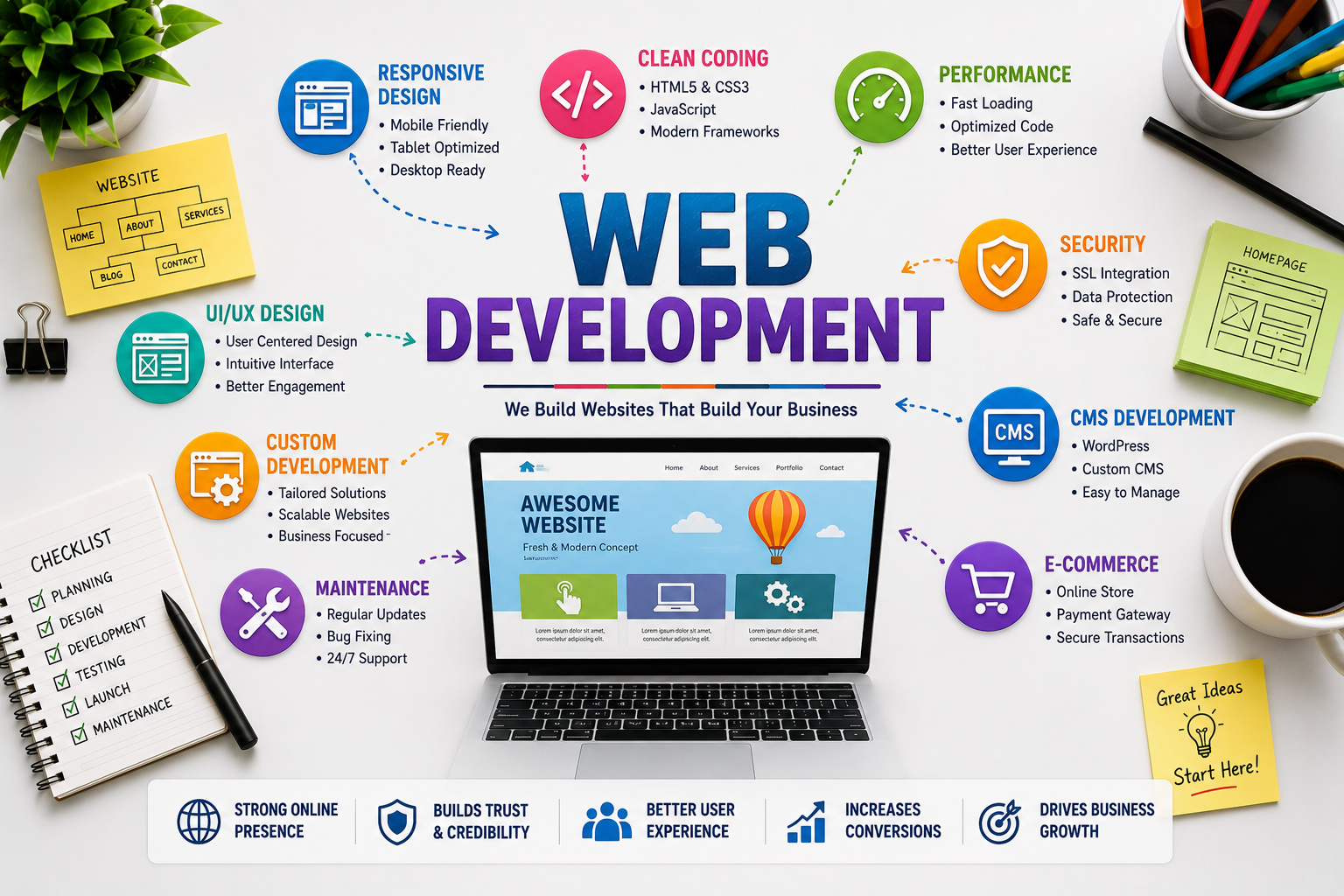
Web Development
Building and maintaining fast, user-friendly, and mobile-responsive websites. Ensures proper site structure and performance for better SEO and user experience.
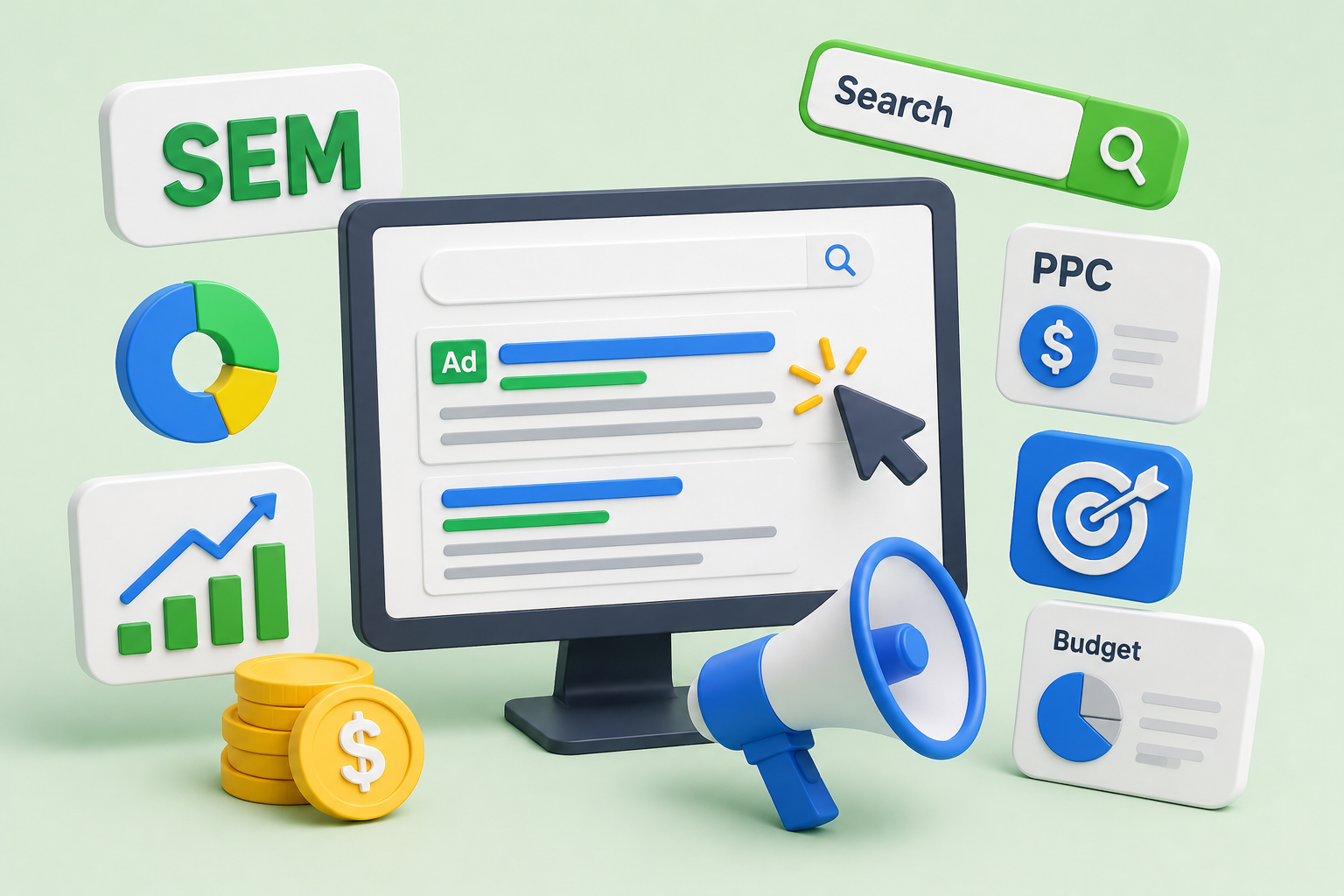
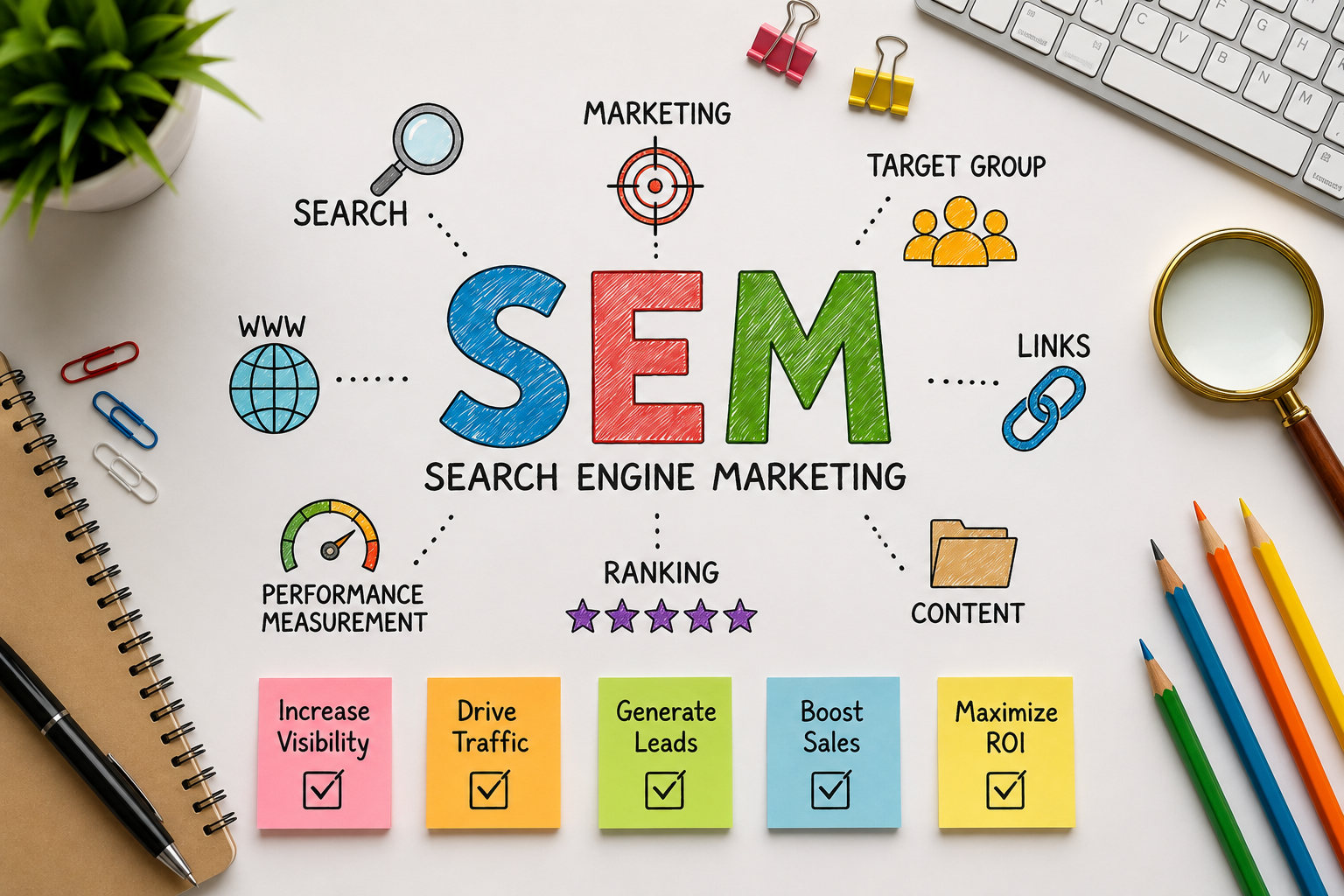
SEM
Paid advertising strategy (like Google Ads) to appear instantly at the top of search results. Works on a Pay-Per-Click (PPC) model.
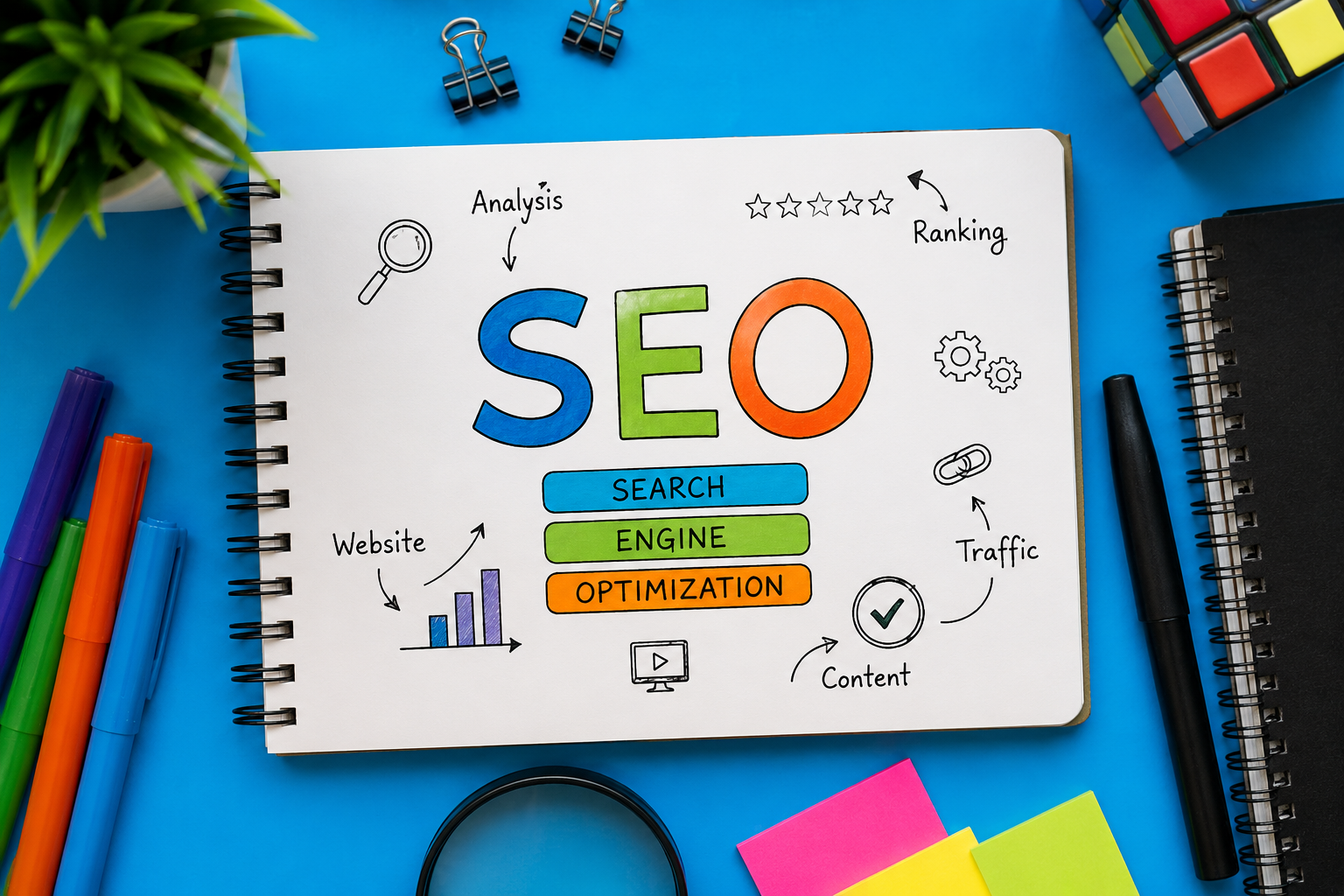
Search engine optimization (SEO)
SEO is the process of optimizing a website to improve its visibility and ranking on search engines like Google, Bing, and Yahoo. It involves both on-page techniques (like keyword optimization, meta tags, and content quality) and off-page techniques (like backlinks and social signals). The main goal of SEO is to drive organic (free) traffic to the website. Unlike paid ads, SEO focuses on long-term results by making the site relevant and trustworthy in the eyes of search engines. Technical aspects like site speed, mobile-friendliness, and proper indexing also play a key role. When done correctly, SEO helps businesses attract potential customers who are actively searching for their products or services online.
Search engine marketing (SEM)
SEM refers to paid advertising strategies used to appear prominently on search engine results pages (SERPs). The most common form of SEM is Pay-Per-Click (PPC) advertising, such as Google Ads, where advertisers bid on keywords relevant to their business. Whenever a user clicks on the ad, the advertiser pays a certain amount. SEM provides instant visibility, unlike SEO which takes time to show results. It is highly targeted, allowing marketers to reach users based on location, device, time, and even previous search behavior. SEM is particularly useful for product launches, seasonal campaigns, or when a business needs quick traffic and leads. With proper management, it can offer a strong return on investment (ROI).
Social media marketing (SMM)
Social Media Marketing involves using social platforms like Facebook, Instagram, LinkedIn, Twitter, and TikTok to promote a brand, connect with audiences, and drive website traffic. SMM includes both organic activities (such as posting engaging content, responding to comments, and running community pages) and paid activities (like sponsored posts, display ads, and influencer collaborations). The main goals are to increase brand awareness, build customer loyalty, and generate leads or sales. Each platform has its own strengths — Instagram for visuals, LinkedIn for B2B, Facebook for broad demographics, etc. SMM also allows real-time interaction with customers, making it a powerful channel for customer service and feedback collection.
Content marketing
Content marketing focuses on creating and distributing valuable, relevant, and consistent content to attract and retain a clearly defined audience. Unlike traditional advertising, content marketing does not directly sell a product but educates, entertains, or solves problems for potential customers. Examples include blog posts, videos, podcasts, infographics, eBooks, and case studies. The aim is to build trust and authority over time, so that when the audience is ready to make a purchase, they turn to your brand. Content marketing works hand-in-hand with SEO — good content helps SEO, and SEO helps good content get discovered. It is a long-term strategy that nurtures leads and improves brand loyalty.
Email marketing
Email marketing is the practice of sending commercial messages to a group of people via email. These messages can include newsletters, promotional offers, product updates, event invitations, or personalized recommendations. One of its biggest advantages is that it gives direct access to a user’s inbox, making it highly personal and measurable. Email marketing often uses automation tools to send triggered messages based on user behavior (e.g., welcome emails, abandoned cart reminders, birthday offers). It is also one of the most cost-effective digital marketing channels, offering a high ROI. To be successful, emails must be relevant, well-designed, and follow permission-based rules (like GDPR or CAN-SPAM). Segmentation and A/B testing help improve open rates, click-through rates, and conversions.
Web development
Web development refers to the process of building, creating, and maintaining websites. It includes aspects such as web design, web programming, content management, and database management. A good website must be fast, secure, mobile-responsive, and easy to navigate. From a marketing perspective, web development ensures that the website is SEO-friendly — meaning clean code, fast loading times, proper heading structures, meta tags, and schema markup. It also includes creating landing pages optimized for conversions, integrating analytics tools, and ensuring the site works well across different browsers and devices. Without proper web development, even the best marketing campaigns can fail because users may leave a slow or broken site. In short, web development provides the technical foundation on which all digital marketing efforts rely.
My toolkit


Frequently Asked Questions (FAQ)
What is Digital Marketing?
Digital marketing is the promotion of products or services through online channels such as search engines, social media, email, and websites.
Why does my business need Digital Marketing?
It helps increase brand awareness, reach more customers, and generate leads and sales online.
What services do you offer?
I offer SEO, Social Media Marketing, Content Marketing, Email Marketing, and Website Optimization.
How long does it take to see results?
Results vary depending on the strategy, but most campaigns show noticeable improvements within a few weeks to a few months.
How can I get started?
Simply contact me to discuss your business goals and create a customized marketing plan.
Do you provide social media management?
Yes, I create content, schedule posts, and manage social media accounts to improve engagement and growth.
Feedback
Skills
blogs
Mastering Content Marketing for Long-Term Success
Create Valuable Content That Attracts, Engages, and Converts Customers Content...
Read MoreWhy SEO Is Essential for Every Business
Improve Your Website’s Visibility on Search Engines In today’s digital...
Read MoreSmart Email Marketing for Modern Businesses
Building Strong Customer Relationships Through Effective Communication Email marketing is...
Read More